
Water in the house right now
If water is still running, close the nearest valve: the angle stop under the sink, the one behind the toilet, or the main shutoff on the street side of the house. Then call. On a slab floor there’s nowhere for the water to drain, so it spreads sideways under laminate and carpet and climbs the drywall behind the baseboards. The first job is emergency water extraction, pulling standing water out before it gets further into the walls.
Keep clear of any room where water touches outlets, a light fixture or the panel. Anything that came up from a toilet, a tub drain or a floor drain is a different job: start with sewage backup cleanup.
Insurance and the paperwork
Coverage, denials and what counts as proof get the full treatment in the insurance claims guide for water leaks. The order on the day is the same for nearly every leak: photograph the wet rooms and whatever broke, get the crew started on drying, and report the claim the same day. Water from outside at ground level is treated as flood, and rain, runoff and storm roof leaks are handled under flood cleanup after a storm.
Living with the dry-out
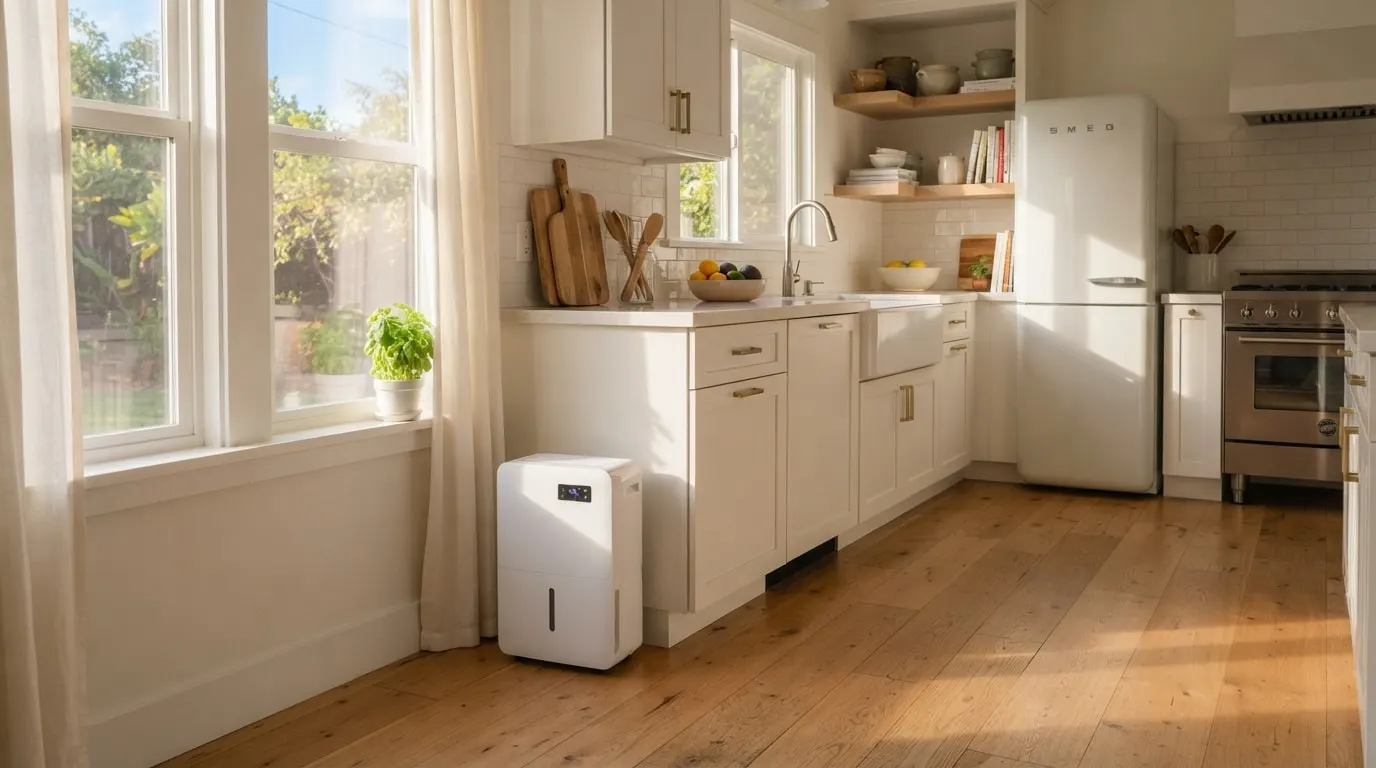
Air movers and dehumidifiers stay until the moisture readings say the materials are dry, and the crew lead comes back to check them and update the drying log. The restoration process, from water categories to drying logs, shows how the crew decides a room is done. If a wall or floor has to be opened, drying floors, baseboards and drywall covers which materials stay and which get replaced. Smell something musty days later? That’s the time to read up on mold after water damage.
Renters, condos and shared ceilings
In a building with units above and beside you, the leak often starts somewhere you can’t reach. Get word to the neighbor and the manager or HOA, then get your side dried. Ceiling leak water damage covers water from the unit upstairs, and slab leak water damage covers pipes under the floor, including condos where the HOA is involved.
Cost and where we work
The guide to what drives restoration cost explains what moves the number: how much is wet, the water category and how many drying days the job needs. Covered ZIPs are grouped by neighborhood in the coverage list.
Water damage questions, answered short
Does homeowners insurance cover water damage?
Usually, if a pipe, supply line or water heater inside the house broke without warning. Flood, sewer backup without an added endorsement, and slow leaks left for months are the usual exclusions. The insurance claims guide covers what to photograph and why water claims get denied.
Do I have to call my insurance company before I call you?
No. Stop the water, take photos, and call us to get drying started. Report the claim to your insurer the same day. Policies expect you to protect the property from further damage, so the dry-out doesn't wait for a claim number or an adjuster's visit.
How do I know if water damage is serious?
Treat it as urgent if the ceiling sags, water is near outlets or the electrical panel, it came up from a toilet or drain, or the floor feels soft. So does anything still wet after a day: the EPA's mold guidance sets a 24 to 48 hour window for drying.
Does water damage get worse the longer it sits?
Yes. Water keeps wicking up drywall, swells particleboard and laminate, and soaks into the subfloor. Clean water left standing can also turn into a dirtier water category, which means more material comes out instead of being dried in place. Mold is the other clock running at the same time.
How can I tell if water got behind the wall?
Look low on the wall near the leak: paint that bubbles or peels, baseboards that swell or pull away, drywall that feels soft, a musty smell with no visible source. A moisture meter settles it. The crew lead reads along the wall to find how high the water climbed before anything gets cut.
Should I turn off the power?
Only if you can reach the breaker panel without standing in water. Federal flood guidance says not to touch electrical equipment that's wet or while you're standing in water. If water is coming through a light fixture or running near the panel, stay out of that room and say so when you call.
Should I pull up the wet carpet myself?
No. Photograph it first and leave it for the crew. Whether carpet and pad get saved turns on the water category and the hours it stayed wet, and your adjuster may want to see it before it goes anywhere.
Who should stay out of the house during drying?
Anyone with asthma, allergies to mold or a weakened immune system should stay out of rooms with active leaks or mold, per CDC guidance. After a sewage backup, children and pets stay clear of the whole affected area. If the home can't be lived in, ask your insurer about loss-of-use coverage.
I rent. Who do I tell, and in what order?
Call the landlord or manager right away, then send the same notice in writing with the date and keep a copy. Call us to start drying. Your belongings generally aren't on the landlord's policy, so a renters policy is where your furniture and clothes get looked at.
Are the restoration crews licensed and insured?
Yes. The hands-on work on every job is done by a licensed, insured restoration crew, and the crew lead walks you through the written scope and price at the start.
Will a person answer if I call at 2 a.m.?
Yes. Someone picks up around the clock, every day of the week. We'll ask where the water is coming from, whether it's stopped and which rooms are wet, then set up the crew visit. Arrival depends on the job and the hour, so ask about timing on the call.
What decides the cost of the job?
How much material is wet, which water category it is, and how many days the equipment has to run. Ceilings, hardwood and built-in cabinets add work. You see the written scope and price first, and you only pay for work you agreed to.
Do I need to be home when the crew comes?
Someone with keys needs to be there for the first visit to let the crew in, show the crew lead the source and go over the written scope. After the equipment is set, the crew comes back to take readings, so give us the best times to reach you.
Is water damage the same as flood damage for insurance?
No. Water from inside the house, like a pipe or an appliance, is usually covered by homeowners insurance. Rain or runoff coming in from outside at ground level counts as flood, which takes a separate flood policy. Rain blowing through a roof the wind already damaged is often covered.
Is a sewer backup handled like other water damage?
No. Sewage is Category 3 water, so soaked carpet, pad and the bottom of the drywall usually come out instead of being dried in place. Standard policies also leave sewer backup out unless an endorsement was added. Nobody walks through those rooms until the crew has them contained.
Which parts of Los Angeles do you cover?
Covered ZIPs run from Inglewood and the South Bay up through the Westside, Hollywood, Glendale, Burbank and parts of the San Fernando Valley. Every ZIP is listed on the service area page. Don't see your ZIP? Call anyway and we'll check your address.