
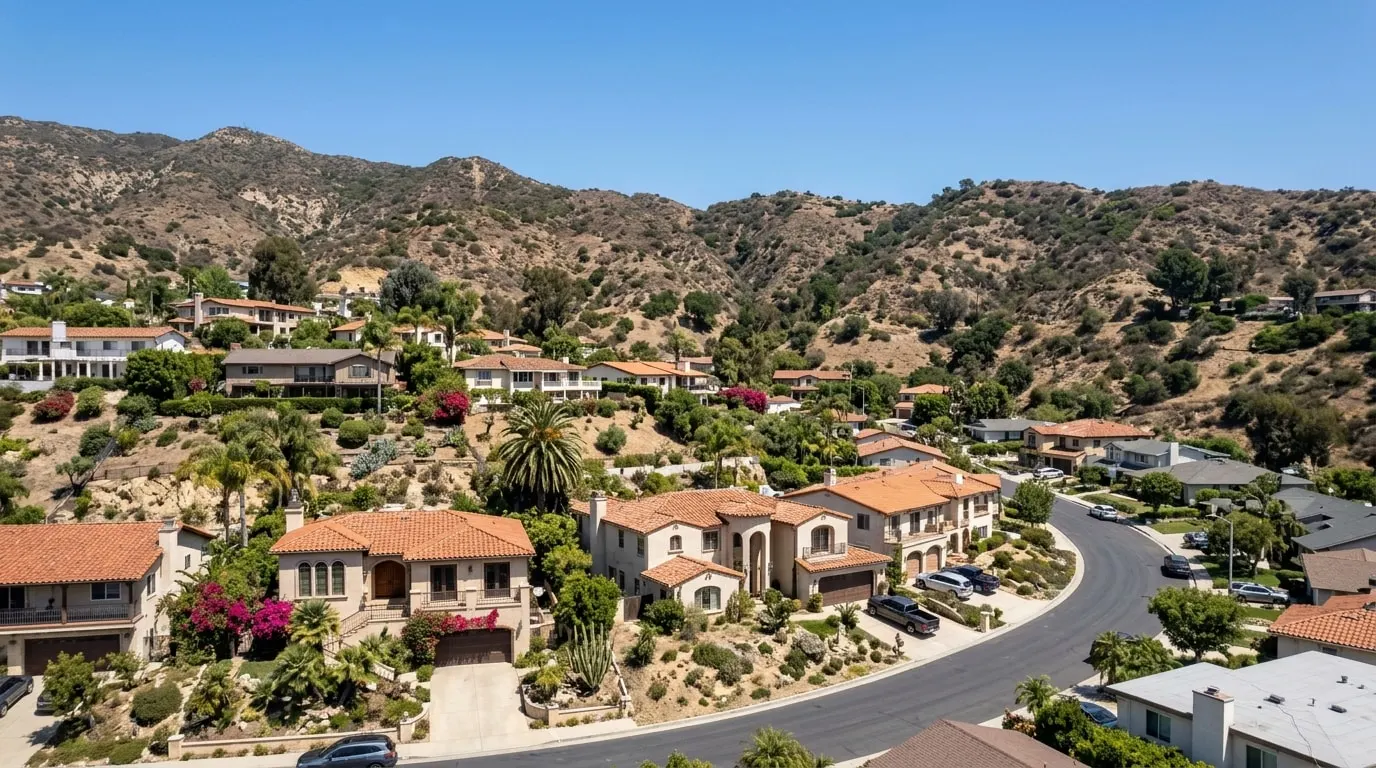
Glendale, California: towers, courts and hillsides
About 65 percent of Glendale households rent, according to the Census Bureau’s 2020-2024 survey estimates, and about 54 percent of the city’s homes are in buildings of five units or more. Only about a third are detached houses. So when water damage restoration in Glendale, CA starts, the first question is usually which kind of building the water is in.
Los Angeles Water Damage Cleanup answers 24 hours a day, 7 days a week. A licensed, insured restoration crew extracts the water, maps where it went and dries the space, whether that’s a unit on the eighth floor, a 1920s house with plaster walls or a home at the bottom of a wet slope.
A high-rise unit needs the source found upstairs, an old house needs its plaster and crawlspace read, and a hillside home needs the mud out before any drying starts.
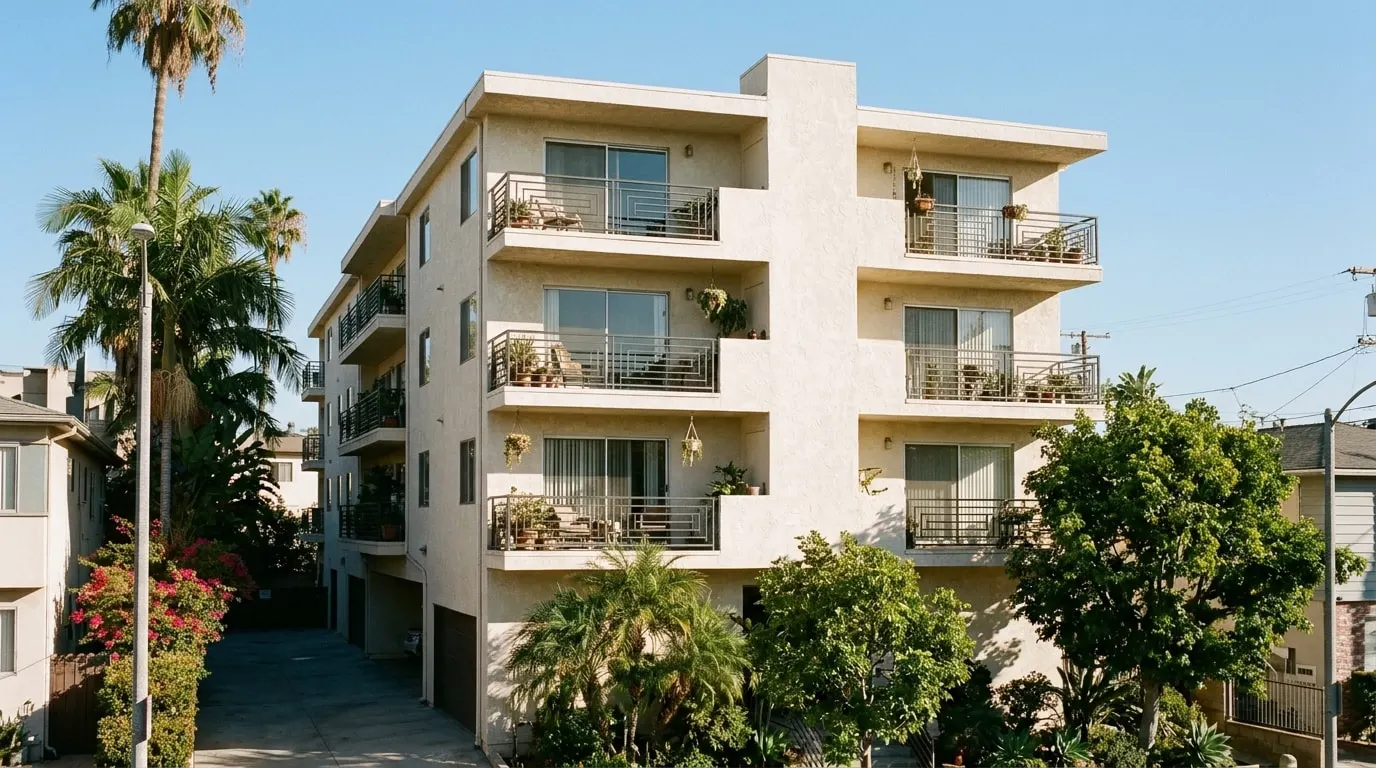
Apartment buildings of 20 units and up
About 26 percent of Glendale’s homes are in buildings of 20 units or more, and roughly 12 percent are in buildings of 50 or more. Some of it is new: close to 7 percent of all the city’s housing went up between 2010 and 2019.
In a stacked building water goes down. A failed supply line, a dishwasher or a tub overflow on one floor can show up in the ceilings of two or three units below, and every unit it reaches gets its own moisture readings. Some practical points:
- Find the source unit first. Building staff can shut off a riser or a unit valve you can’t reach. Until that happens, drying downstairs just keeps up with the leak.
- Ceilings below take the worst of it. Water pools on the drywall above and comes through at a light fixture or a seam. Keep people out from under a sag. The ceiling leak page covers what a sagging ceiling looks like and when it can drop.
- Concrete floors dry slowly. Where a building has concrete between floors, the flooring on top can trap water, and the crew reads the slab under carpet, laminate or engineered wood before deciding what stays.
Give us your unit number, the source unit if you know it, and whether the manager has been told. Who covers what between the unit owner, the HOA and a renter is laid out on the insurance claims page.
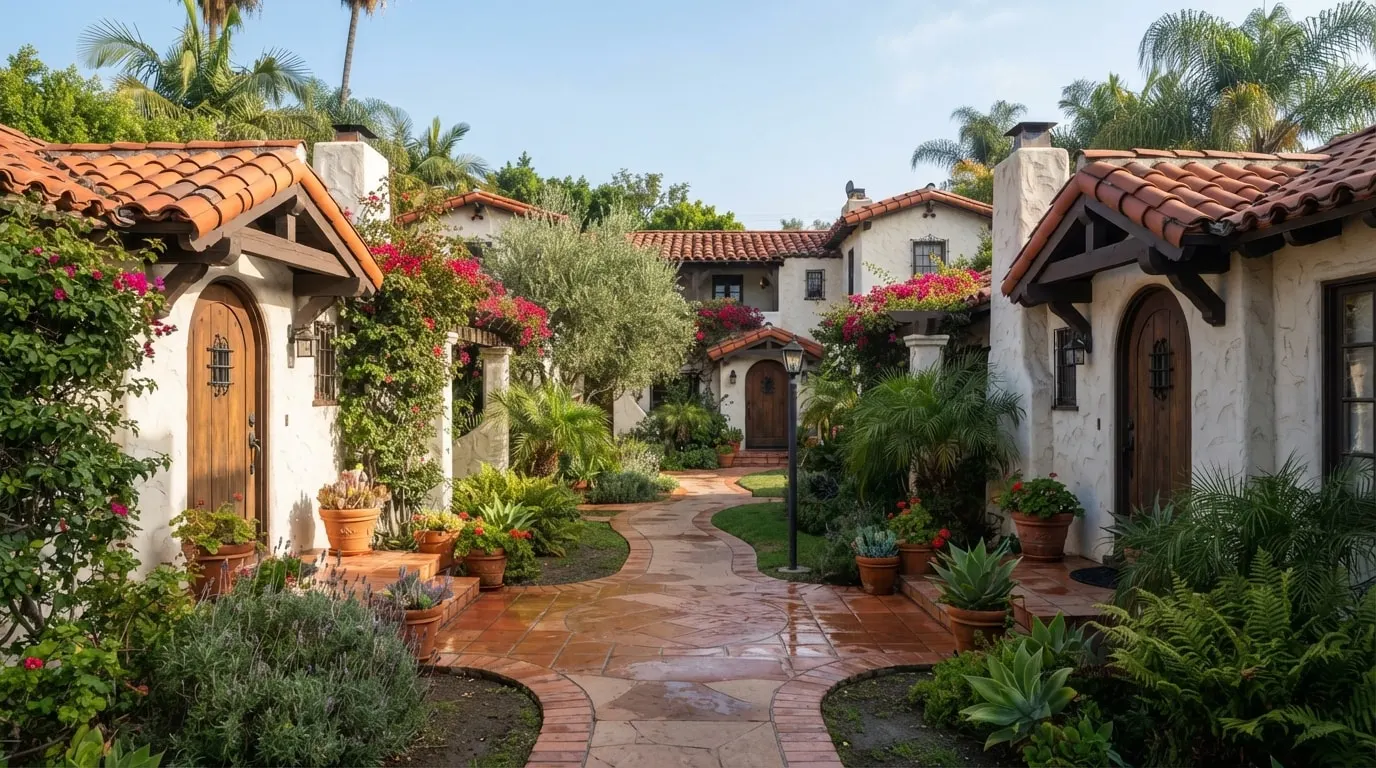
Houses and courts from before 1940
The other side of Glendale is old. About 20 percent of its homes were built in 1939 or earlier, and another 9 percent in the 1940s. City surveys describe a burst of building in the core of the city between about 1900 and 1925, with duplexes, four-flats, bungalow courts and apartment houses mixed in among the single-family homes.
Buildings that age change the dry-out:
- Plaster walls. Plaster over wood lath behaves differently from drywall when it gets wet. It holds moisture longer, and it can often be dried in place without a flood cut. The crew reads it and decides from the numbers.
- Raised wood floors. An older house can sit on a raised wood floor instead of a slab. Water that gets through the floor collects in the crawlspace, where it keeps the subfloor and joists wet unless the crawlspace gets dried too.
- Several generations of plumbing. A 1920s house may have been repiped in stages, so old and new lines can meet inside one wall. When the leak is in a joint between them, the plumber’s repair and the crew’s drying start at the same opening.
- Hardwood. Original oak floors cup when water gets under them. Whether they can be dried flat or have to come up is covered on the floors and walls page.
ZIPs 91201, 91202, 91203 and 91204
This page covers Glendale ZIPs 91201, 91202, 91203 and 91204. Don’t see yours? Call anyway and we’ll check your address.
To the northwest, the Burbank page covers the next city over, and the North Hollywood page covers the east Valley. Every other covered area is on the service area page.
Glendale Water & Power and the meter
Glendale Water & Power supplies water to almost all homes and businesses in the city, with only a small area in the north served by another district. If water is coming out of the ground in the street or the parkway, the break is probably on the GWP side, and GWP shuts it down. If it’s inside the building or in your yard line, it’s on the property side, and a plumber fixes the pipe while the crew dries what got wet.
GWP’s WaterInsight portal shows near real-time water use and can send leak alerts. If you suspect a hidden leak, a usage line that keeps climbing overnight while nothing’s running points to water going somewhere it shouldn’t. That’s a good reason to call before a wall or floor shows it.
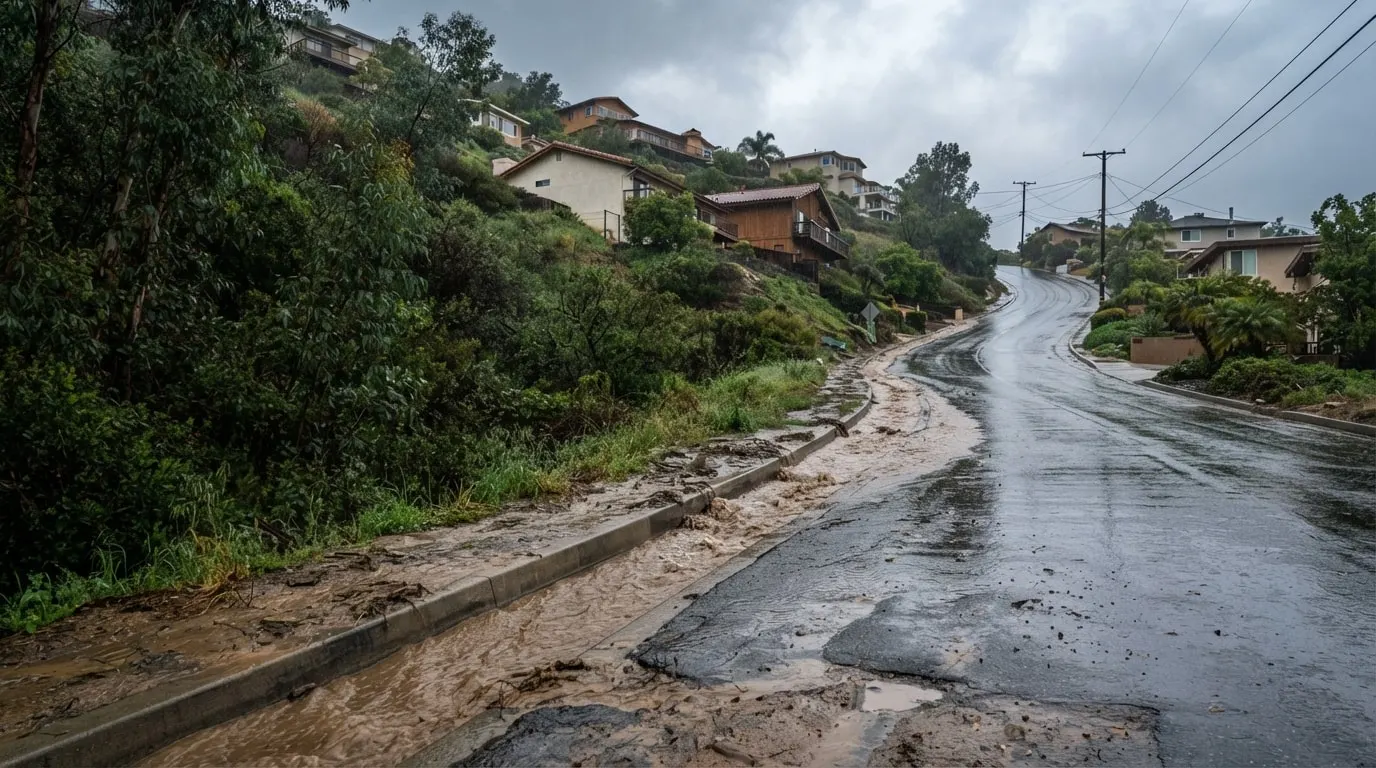
Hillside runoff off the Verdugos
Glendale isn’t inside a FEMA 100-year or 500-year floodplain, but the city’s own safety plan says heavy storms can still flood it. In an atmospheric river the storm drains can be overwhelmed, and clogged inlets cut their capacity further. Peak flows in the area have come mostly between November and March.
The hills add mud. The city’s hillsides in the Verdugo Mountains and the San Rafael Hills are prone to small slides, slumps and debris flows after heavy rain, and the risk is higher in wet years on slopes that burned recently. The Verdugo Wash, the city’s main flood channel, was built after the storm of 1934, which followed a wildfire in the same area by two months.
For a home, that usually means water and silt coming down a driveway, through a garage, or against a back wall that faces the slope. Storm water that has run over the ground is dirty water, and mud makes it worse. Carpet, pad and the bottom of the drywall it touched usually get cut out and hauled away instead of dried.
Extraction, mud removal and the dry-out after a storm, plus how flood coverage differs from homeowners coverage, are covered on the storm and flood cleanup page.
Glendale questions: apartments and foothill storms
Is this page for Glendale, California or Glendale, Arizona?
Glendale, California, in Los Angeles County, between Burbank and Pasadena. This page covers ZIPs 91201, 91202, 91203 and 91204. If you searched from Arizona, the ZIPs won't match and this isn't your Glendale.
The leak started several floors up. Who do I tell?
The building manager or the HOA first, so someone can shut off the line feeding it. Then call us with your unit number and the unit the water came from. Your unit can be extracted and put on drying equipment while the building deals with the source.
Do plaster walls dry the same way as drywall?
Not quite. Plaster over lath holds water longer than drywall but often survives a soaking, so it can usually be dried in place. Drying takes longer, and the crew keeps the equipment running until the meter numbers settle. Mention plaster when you call.
Can storm water come in even if I'm not near the Verdugo Wash?
Yes. The city's safety plan points to overwhelmed storm drains and clogged inlets in heavy storms, and that floods streets far from the wash. A low driveway, a door at the bottom of a slope or a blocked yard drain is enough to let it in.