
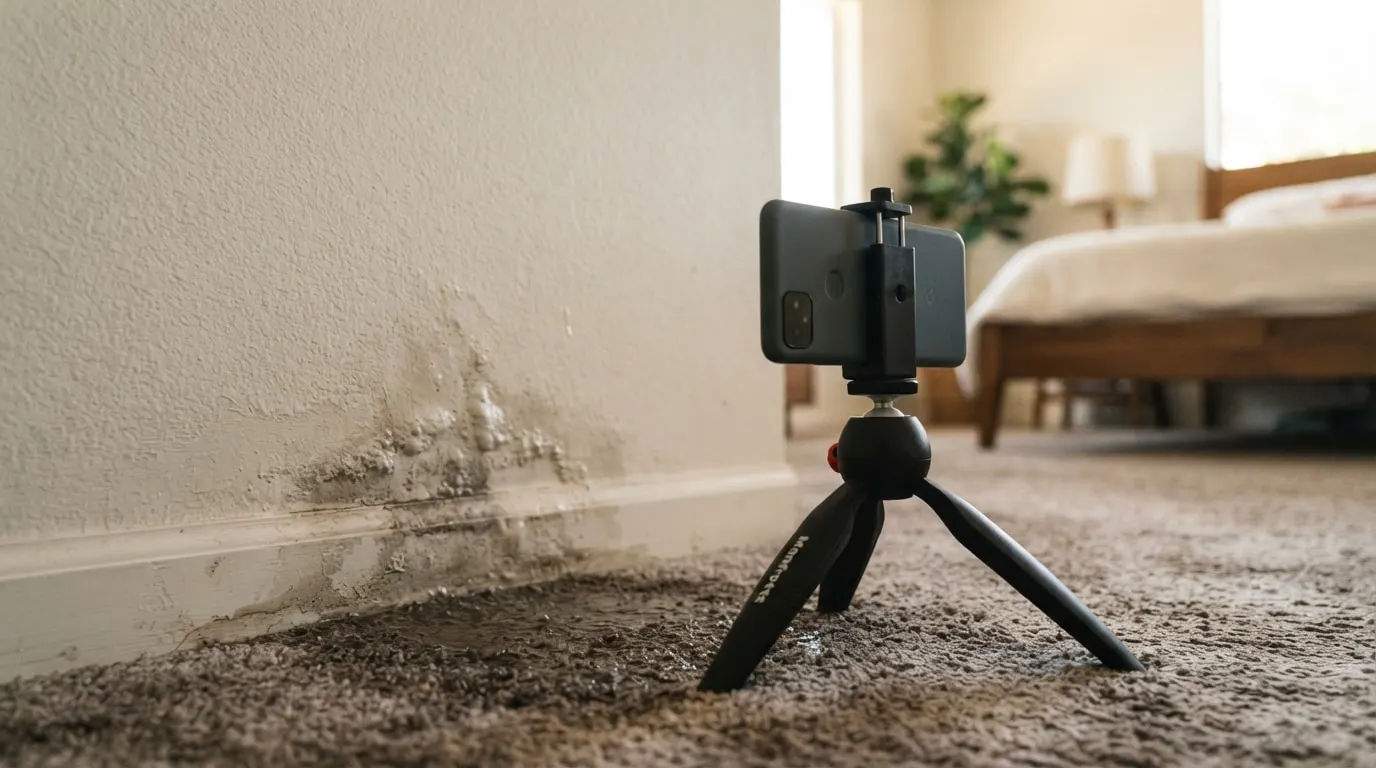
The adjuster’s first questions
A water damage insurance claim in California starts with two questions from the adjuster: what broke, and how long was it leaking? Los Angeles Water Damage Cleanup answers the phone around the clock and gets a licensed, insured restoration crew out to extract and dry. What that crew measures on day one becomes part of the record your adjuster reads. Get the answer to both questions on paper early, in photos, a repair ticket and moisture readings, and most of the claim follows from there.
Does homeowners insurance cover water damage?
Usually, when the water came from something inside the house that failed suddenly: a burst supply line, a split washer hose, a water heater tank that let go. Policies leave out flood, groundwater seeping up through the foundation, and damage from a leak that ran for months. The California Department of Insurance says it directly: homeowners policies don’t cover flood damage, but they do cover other kinds of water damage.
Most homeowners policies are built on the standard HO-3 form. The Insurance Information Institute publishes a sample, and it covers “accidental discharge or overflow” of water from plumbing, heating, air conditioning, fire sprinklers and household appliances. Under that wording the part that failed isn’t covered. The policy looks at the soaked hallway and the swollen baseboards, not the split tank. When the broken pipe is inside a wall or under the slab, the sample form also covers tearing out and replacing the part of the building needed to get at it and fix it.
Your own policy may word things differently, and the adjuster works from your policy. The table shows how the standard form usually treats common household leaks.
| What happened | How a standard policy usually treats it |
|---|---|
| Supply line under the kitchen sink bursts | Accidental discharge. The water damage is covered. The line itself isn’t. |
| Water heater splits in the garage or hall closet | Damage to walls and floors is covered. The tank is the failed appliance. More on water heater leak damage. |
| Pipe in the slab leaks under the flooring | Water damage and tear-out to reach the pipe are covered in the sample form. Groundwater seeping through the foundation is excluded. |
| Wind lifts roof tiles and rain comes through the ceiling | Generally covered when wind or another covered peril opened the roof. |
| Rain runs in under the door from the yard or the street | Surface water counts as flood and needs a separate flood policy. See storm and flood cleanup. |
| Sewage comes up through a floor drain or toilet | Excluded unless the policy includes a sewer backup endorsement. See sewage backup cleanup. |
| A drip under the sink rots the cabinet floor over months | Often denied as wear, lack of maintenance or long-term leakage. |
Sudden versus gradual damage
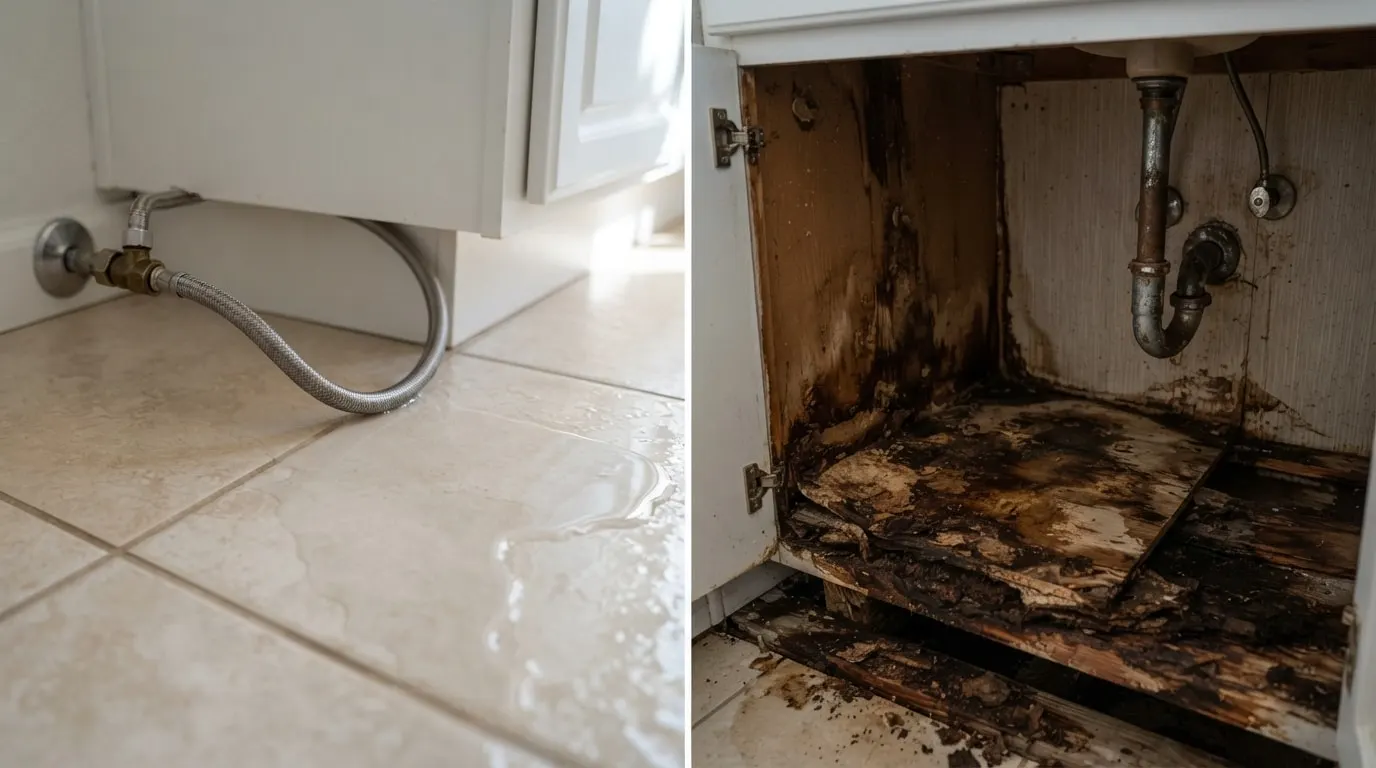
A water claim gets turned down when the damage looks old. The sample HO-3 excludes wear and tear, deterioration, rust and corrosion, and the Insurance Information Institute says policies don’t cover damage from lack of maintenance. A brown ring that’s been spreading across a bedroom ceiling since spring reads like a maintenance problem. A ceiling that started dripping Tuesday night after the toilet supply line upstairs let go doesn’t.
Old copper pipe is a gray area. The sample form excludes corrosion itself, but it still covers the water damage when a corroded pipe lets go and dumps water into the house. A pinhole that wept into the wall cavity for a year before anyone noticed is much harder to get covered.
Things an adjuster may read as long-term:
- Layered stains with dark rings, one inside the next
- Subfloor or cabinet bottoms that are soft, delaminated or black
- Rusted tack strip under carpet, or rusted nail heads in the baseboard
- Mold already growing on the back of drywall when it’s opened up
Other reasons water claims get denied are written into the same form. Water that backs up through drains is excluded unless you added coverage for it. So is water from below ground. The neglect exclusion covers failing to use reasonable means to save the property after a loss, which is what a carpet left sitting wet for a week looks like on paper.
A sudden-loss claim holds up best with a clear timeline: the date and hour you first saw water, the plumber’s repair ticket naming the part that failed, photos from that day, and the crew’s first moisture readings showing exactly where the wet edge sat.
Photos before extraction
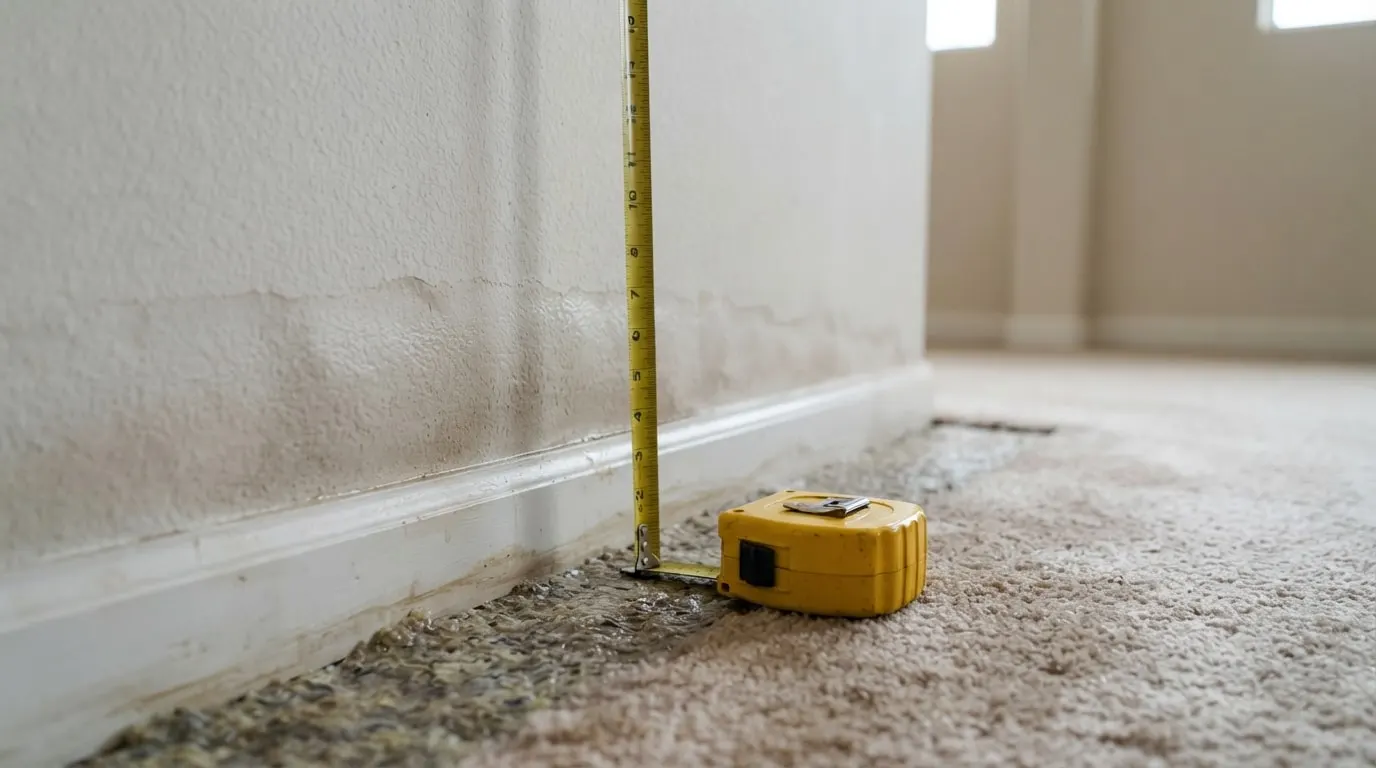
The way to prove water damage to an insurer is with photos and video taken before anything gets moved, then the restoration crew’s records on top. California’s claims guide asks for lists of damaged items with brand names and model numbers, photos of the damage, and no damaged items thrown out until the adjuster says so.
Take them on your phone in five minutes, then let extraction start. When carpet pad or the bottom of a wall has to come out to dry the space behind it, photograph it in place first and ask the crew lead to note the square footage.
Drying before the adjuster comes out
Don’t wait for the adjuster to start drying. The standard HO-3 lists protecting the property from further damage as one of your duties after a loss, along with making reasonable repairs to protect it and keeping a record of what they cost. The California Department of Insurance warns that policies may not cover ensuing damage if you haven’t taken reasonable steps, and its claims guide tells homeowners to dry wet areas with air circulation and dehumidifying.
The line sits between mitigation and rebuilding. Extraction, air movers, dehumidifiers and pulling out what can’t be dried all protect the property, so they go ahead now. New drywall, new flooring and paint are permanent repairs, and the state’s guide says to hold those until the adjuster has seen the damage. Keep receipts for anything you buy to protect the place, from a tarp to a roll of plastic sheeting.
Speed counts for the claim too. EPA guidance is to dry water-damaged materials within 24 to 48 hours, and here’s how fast mold starts after a leak if that window is missed.
Records the crew keeps for your claim
Your crew lead takes moisture readings on the first visit and maps the wet area room by room: which walls read wet, how high up the drywall, how far under the flooring. Readings are logged each day, with the equipment that ran in each room, until the materials hit their dry goal. That moisture map and drying log go into your claim file next to your photos. The adjuster sees how far the water spread on the day it happened and the numbers showing it’s gone. There’s more on moisture mapping and drying logs on the restoration page.
Should you report water damage to insurance?
Yes, and promptly. Prompt notice is one of the duties after loss in the standard HO-3, and the California Department of Insurance says to report any water damage claim right away. Reporting and drying happen side by side: stop the water, take the photos, get the crew started, and call the claim in the same day. Nothing in a standard policy asks you to leave water on the floor while you wait for a claim number.
When you report it, give the date you found the water, what failed and which rooms are wet. The insurer may send a proof of loss form, a formal statement of what was damaged. The crew’s written scope, photos and drying log make that form easier to fill in.
Apartments, condos and the unit upstairs
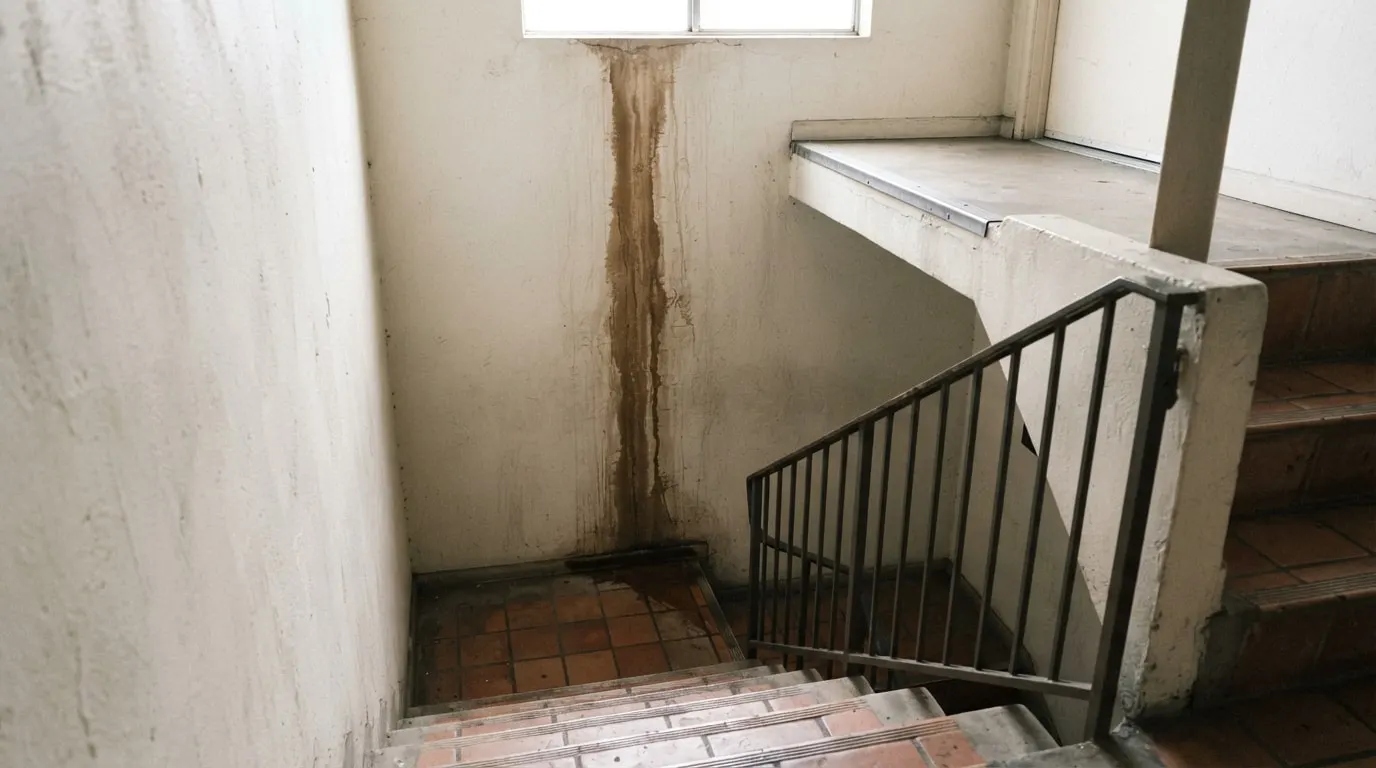
Who is responsible for water damage in an apartment depends on where the water started and what the lease or the CC&Rs say, and that can take weeks to settle. The drywall can’t wait that long. On the day it happens, tell everyone who shares the problem, take the same photos you’d take for your own claim, and get your side dried.
If it’s coming from the unit above, knock on the neighbor’s door and call the building manager, then write down the time you did both. Each household reports to its own insurer, and the adjusters sort out whose policy answers for which part. Getting the water out of your ceiling is your part, and there’s more on ceiling leaks from the unit upstairs.
Ceiling leaking in a rental
Tell the landlord or manager right away, then put it in writing with the date and keep a copy. California’s tenant guide from the Department of Real Estate says urgent repairs can be reported by phone or in person first, as long as written notice follows right after. Whether a leaking ceiling changes your rent is a landlord-tenant question with its own rules, and dated written notice with photos attached is the first step either way.
Your landlord’s insurance covers the building. The Department of Insurance notes that renters’ belongings generally aren’t covered by the landlord’s policy, so the couch, the clothes and the laptop go on your own renters policy if you carry one.
Slab leak in a condo or HOA
A slab leak in a condo brings the HOA in on day one. California Civil Code 4775 makes the association responsible for repairing common area and each owner responsible for their own unit, unless the CC&Rs say otherwise. It also puts repairs to restore water service that fails in the common area on the association. Whether a pipe in the slab counts as common area depends on your development’s documents, and the HOA manager will know. Send the manager your photos the day the leak is found. The wet flooring and baseboards in your unit still need drying while that gets settled, and the slab leak water damage page covers how floors over a wet slab get dried.
What to have ready on the call
- The address and unit number, and the unit above or below if another one is involved
- Where the water is coming from, and whether it’s stopped
- Whether a landlord, manager or HOA already knows
- Your insurer’s name and claim number, if you have one already
You don’t need a claim number to start. The crew starts extraction and the drying log, and the readings it takes from the first hour are the ones your adjuster will want to see.
Claim questions from California policyholders
Can I throw out wet carpet before the adjuster sees it?
Hold off unless it's a health hazard. California's Department of Insurance tells policyholders not to throw out damaged items until the adjuster says so. When pad or carpet has to come out for drying, photograph it in place, note the square footage and keep a cut piece for the adjuster.
What if the adjuster can't come out for a week?
Keep drying. Policies expect reasonable steps to protect the property, and the state's claims guide says to keep receipts for whatever you buy to do it. Extraction and dry-out go ahead now. New drywall, flooring and paint wait for the adjuster's visit.
Should I keep the part that failed?
Yes. Bag the burst supply line, the cracked fitting or the split washer hose and write the date on the bag. Ask the plumber to put the cause in writing on the repair ticket. Together they show the adjuster the water came from something that broke, not a slow drip.
Does insurance cover mold after a water leak?
Sometimes. The sample HO-3 form covers mold hidden inside walls, ceilings or floors when it comes from a covered plumbing or appliance leak, and leaves most other mold out. Mold that grew for months behind a slow drip is the hard case, which is one more reason to get drying started the day you find the water.
Will my policy cover a hotel if we can't stay home?
It may. If the home isn't safe to live in, California's claims guide says relocation costs can fall under the policy's loss-of-use coverage, also called additional living expenses. Keep every receipt for lodging, meals and extra driving, and tell your adjuster the day you move out.