A leak from the unit upstairs
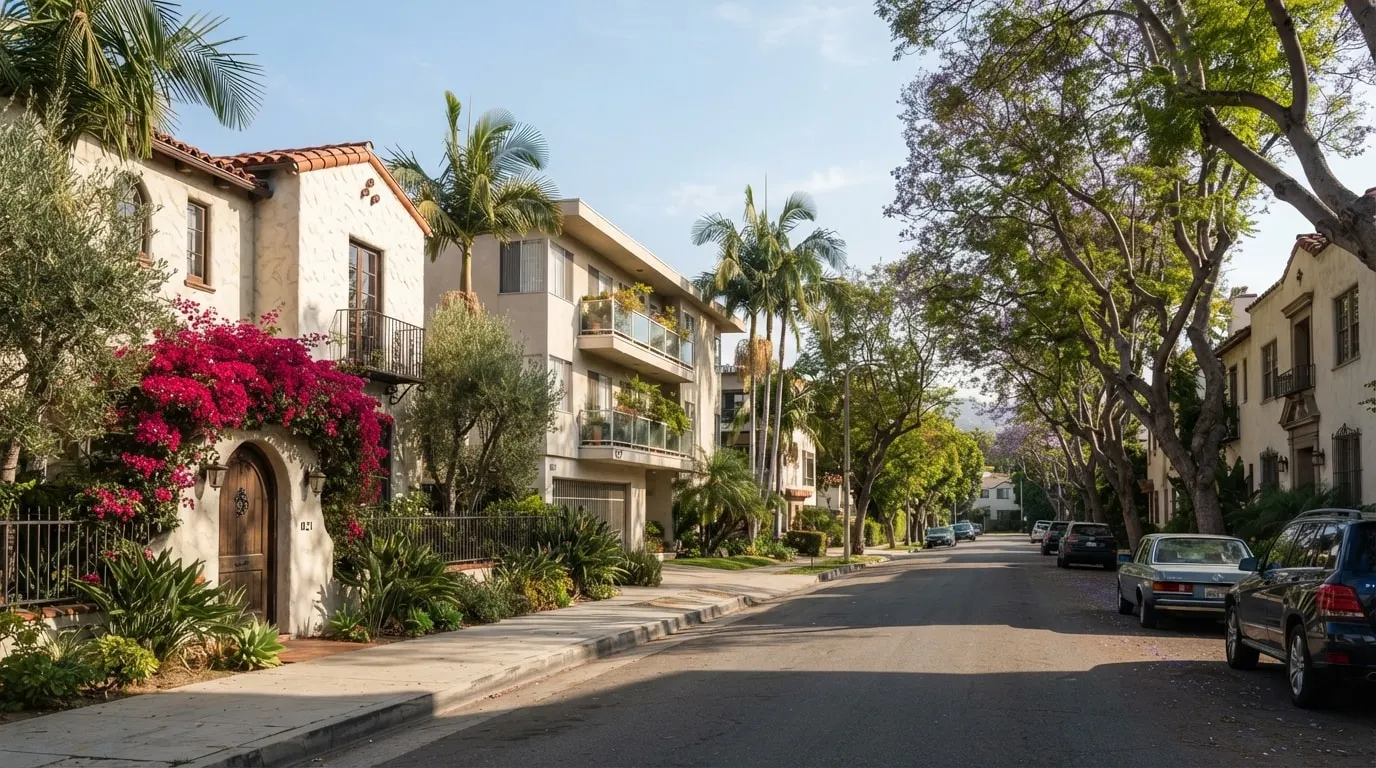
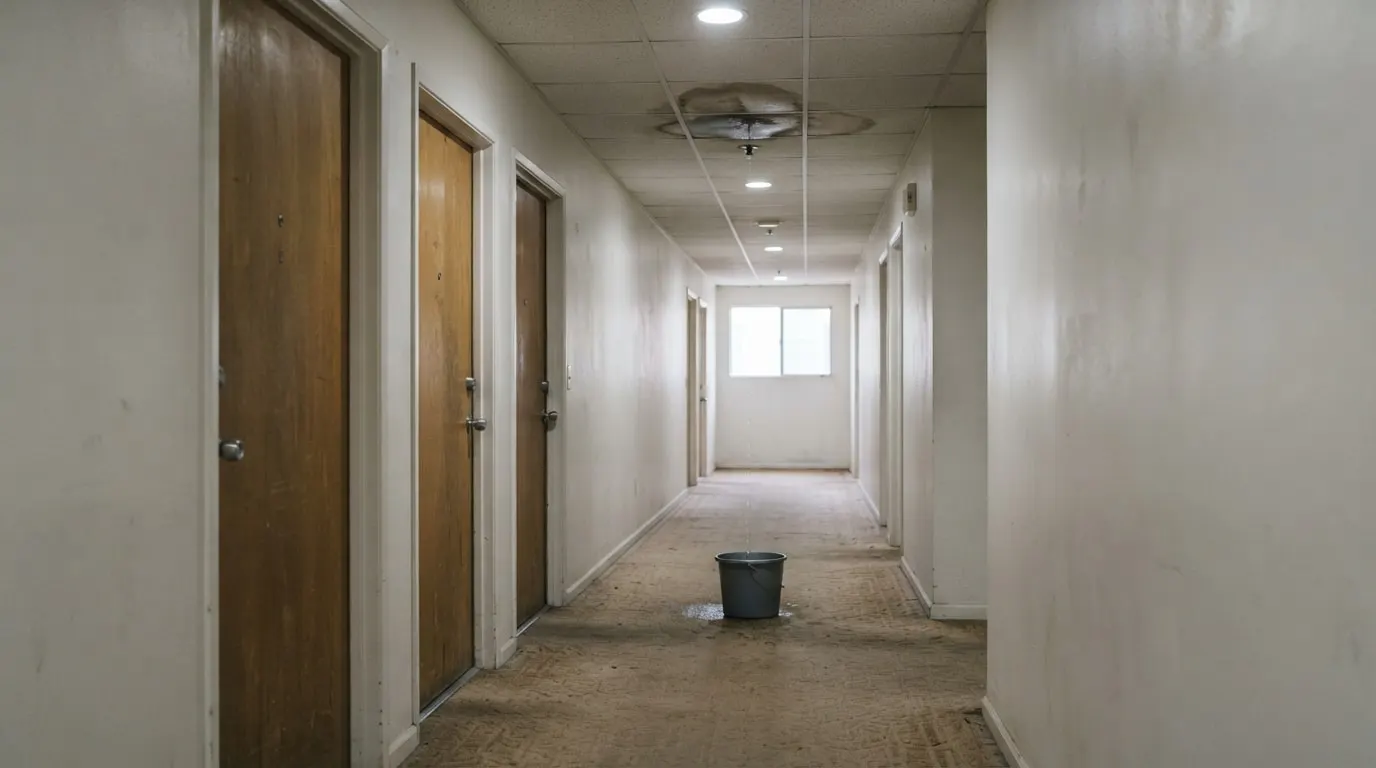
Most calls for water damage restoration in West Hollywood start with a stain, a bulge or a drip in a ceiling. Census estimates for 2020 to 2024 count about four in five homes here as rented, and state housing counts from 2020 put roughly the same share of units in buildings of five or more. So the water usually isn’t yours, and neither is the pipe.
Here’s what to do while you call Los Angeles Water Damage Cleanup:
- Get bowls or towels under the drip and move electronics and anything soft out of the way.
- Knock on the unit above. If someone answers, ask them to turn off the toilet or sink valve, or the washer supply, whichever one is running.
- If nobody’s home, call the manager or the building’s emergency line and tell them which unit it’s coming from.
- Take photos and a short video of the ceiling, the floor and anything that got wet.
A licensed, insured restoration crew can start in your unit while the building sorts out the one above. The job here almost always involves two units at least, and the job goes faster when both are open to the crew lead on the first visit.
Who calls whom in a West Hollywood rental
Start by telling the manager in writing, even a text, because that’s the record of when the building knew. Tell the neighbor above. Then let the drying start.
Your own furniture and clothes usually fall under renters insurance, and the ceiling and walls fall under the building’s policy. The insurance claims guide has the full apartment section, including leaks caused by the unit upstairs.
What the crew leaves behind helps every one of those claims. The moisture map shows where the water reached in each unit, and the drying log shows when each wall and ceiling read dry.
Rent-stabilized buildings and the repair afterward
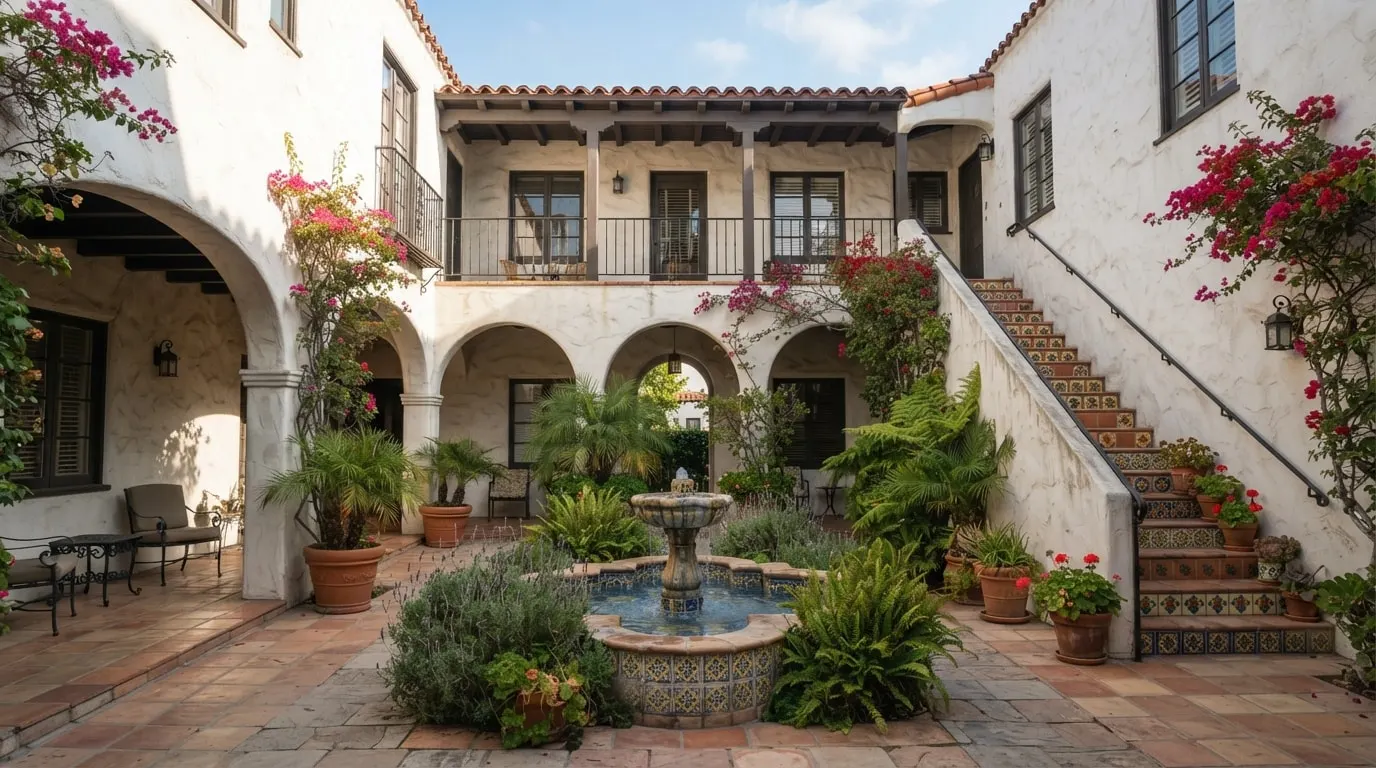
West Hollywood’s Rent Stabilization Ordinance has been in effect since 1985, and units with a certificate of occupancy before July 1, 1979 fall under the full ordinance. Census estimates for 2014 to 2018 showed the 1960s as the decade when the largest share of the city’s housing went up, so most older apartment buildings here are covered.
The city’s rules touch a water damage job here:
- Housing services during repairs. Services in a rent-stabilized unit have to be kept in good working order. If a landlord takes one out of service to repair it and returns it in good working order within a reasonable time, the rent isn’t reduced. A dry-out that takes a bathroom out for a few days usually falls here.
- Tenant Habitability Plans. Before construction starts at an occupied rental property, the owner has to meet the city’s tenant habitability requirements, and a plan is required when permits are pulled. Emergency extraction and drying aren’t the hold-up. The rebuild that follows can be, especially if it reaches several units.
If you manage the building, get the drying done and documented first so the permit and the plan aren’t waiting on wet framing.
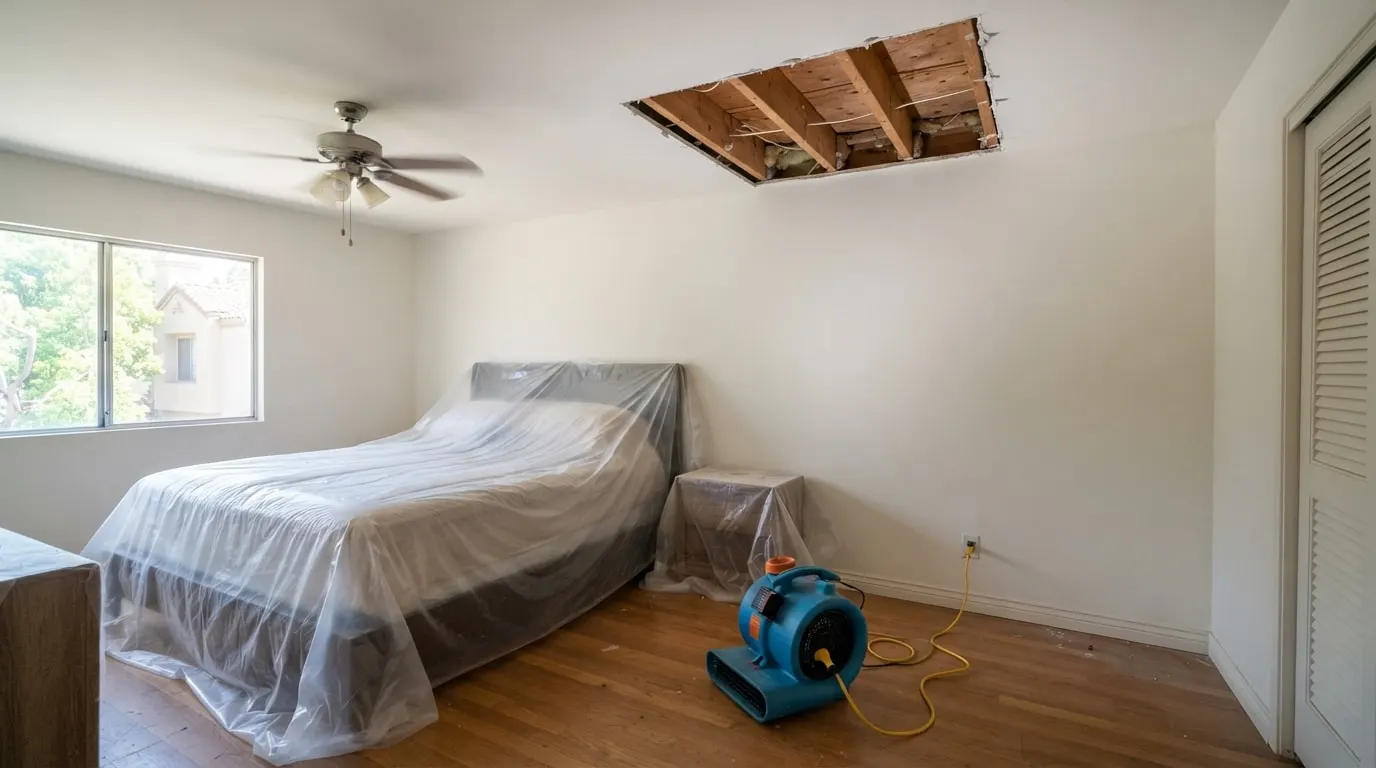
Drying stacked units from the ceiling down
In a 1960s building, a leak from a second-floor bathroom runs along the floor joists before it comes through the drywall below. The stain you see may be a few feet from where the water entered. The crew lead reads the ceiling in a grid, then checks the unit above at the same spot. If the subfloor up there is wet, both units get drying equipment.
Sagging drywall gets opened up. Air movers can then reach the joists and any wet insulation can come out. The ceiling leak page explains when a ceiling can be dried in place and when it has to come down.
Shared walls work the same way sideways. Water from a washer hose or a cracked supply line in one unit can wick into the bottom of the wall next door. If the leak was a pipe inside the wall, the burst pipe page covers what usually fails. Anything that stays wet past a couple of days raises the mold question, and the mold page deals with that.
LADWP or Beverly Hills Water
West Hollywood is split between water utilities. The Los Angeles Department of Water and Power serves most of the city, on the east side. Beverly Hills Water serves parts of the west side.
For a burst line in a building, that rarely matters to you as a tenant, since the building’s main shutoff is the one to close. It matters to the owner or manager when the building valve won’t turn and the water has to be shut off at the meter, because the call goes to whichever utility serves that side of town.
West Hollywood ZIP 90069 and nearby
The ZIP on the coverage list for West Hollywood is 90069. Call from there and the crew lead starts with your unit and the one above or beside it.
To the west, the Beverly Hills page covers large houses, hillside storm runoff and the city’s construction plan rule for occupied rentals. Over the hills, the North Hollywood page deals with apartments built over carports.
West Hollywood questions about the unit upstairs
Do I have to keep paying rent while my apartment dries out?
In most cases, yes. Under West Hollywood's rent rules, a service removed for repairs doesn't lower the rent if it comes back in good working order within a reasonable time. If a service isn't restored, a tenant may be entitled to a rent reduction until it is.
Can the crew come in if I'm the tenant and the manager hasn't called back?
Yes, extraction and drying in your own unit can start with your OK. Report the leak to the manager in writing too, so the repair side of the job isn't held up later.
How do I know the ceiling is dry before it's patched?
Ask for the readings. A painted-over ceiling can look fine while the drywall paper and joists above it are still wet. The crew lead reads the ceiling and, where it's open, the framing above, and logs it until it matches dry material elsewhere in the unit.
What if the leak smells like sewage?
Then it's Category 3 water, usually a drain line or a toilet overflow from above. Keep out of the wet area and keep pets away. Anything porous it touched, like carpet pad, usually comes out.